
Why Your Kids Won't Look Like This Next Year (And Why That Matters for Family Photography)
Professional family photography isn't about perfect timing. It's about documenting this age before it disappears.
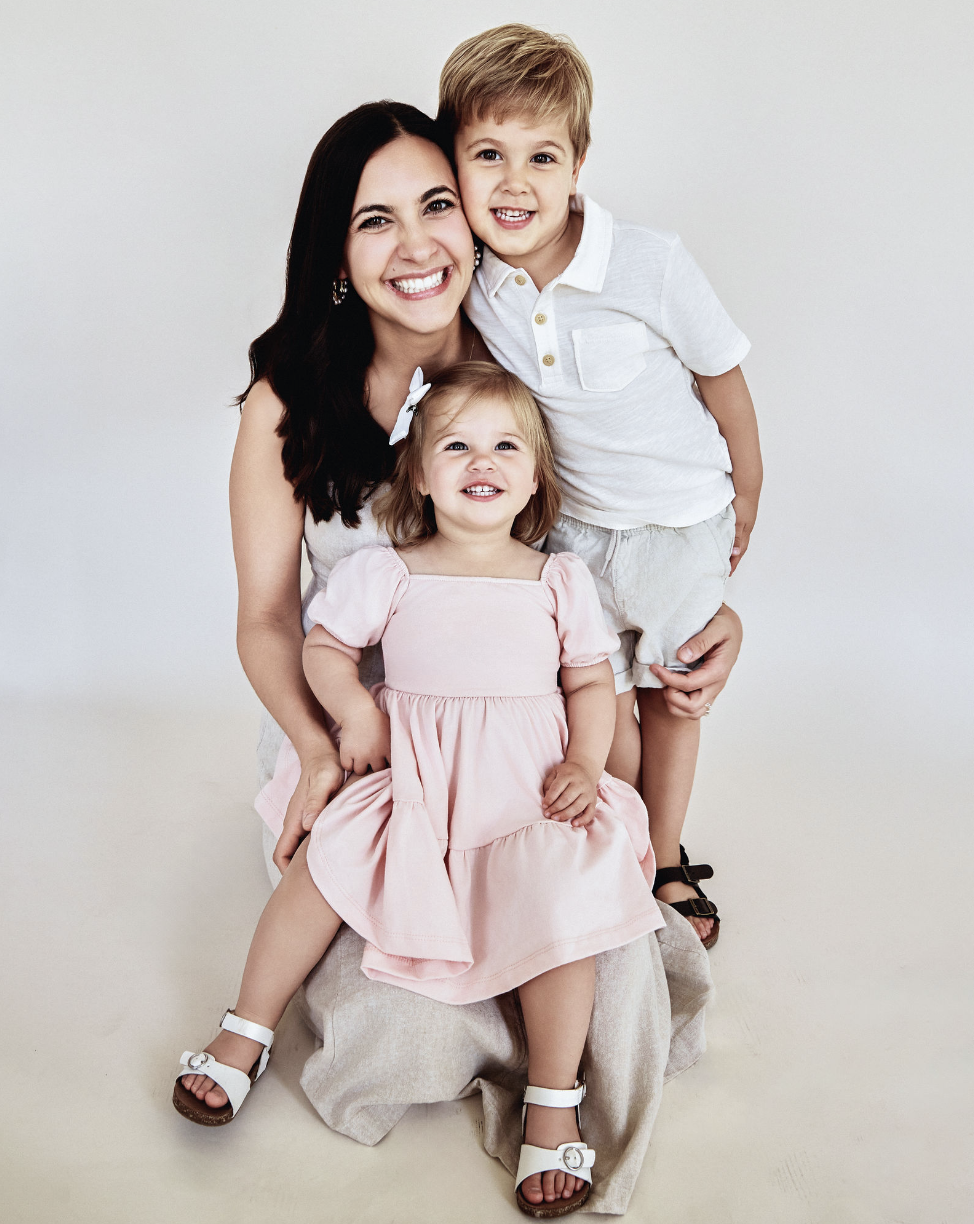
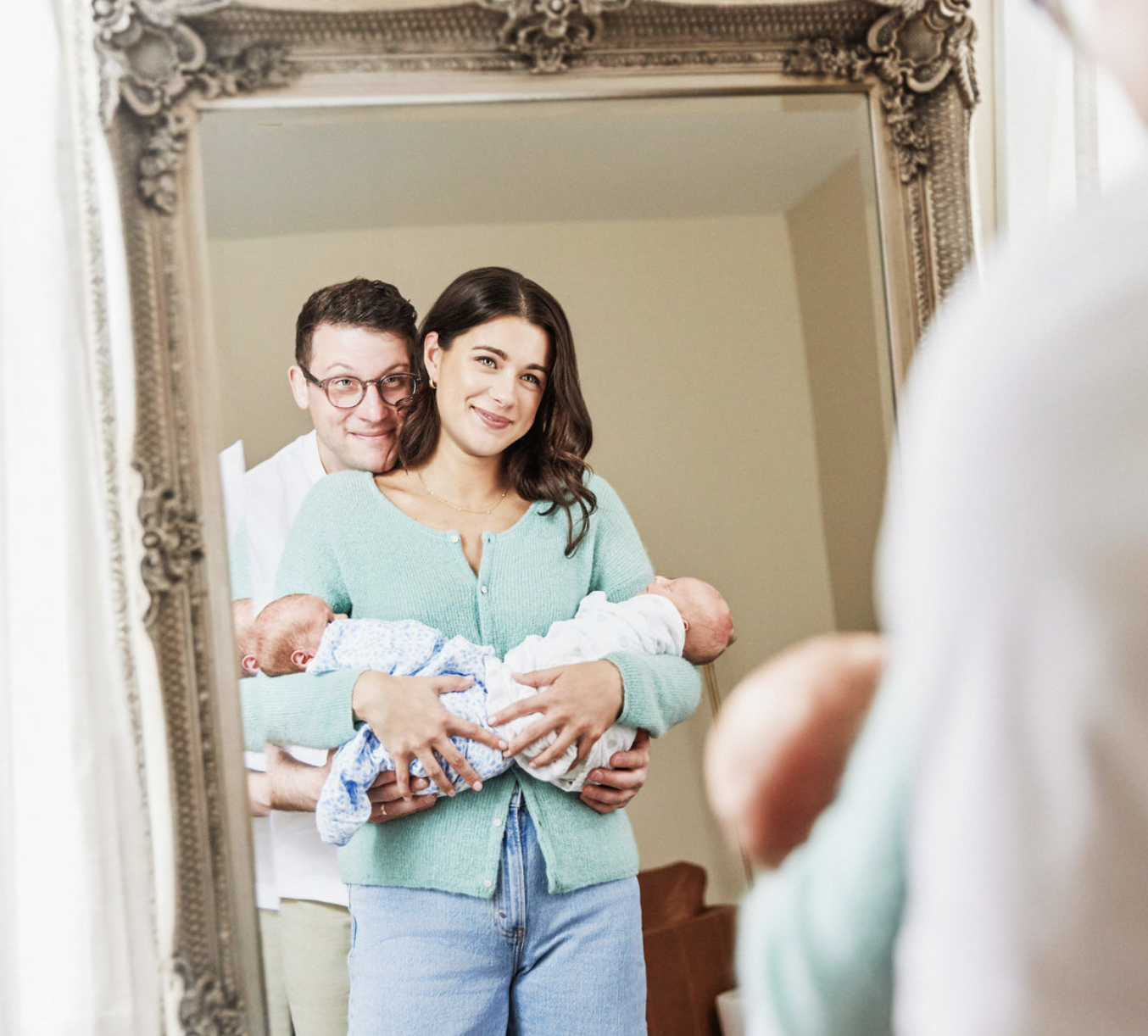
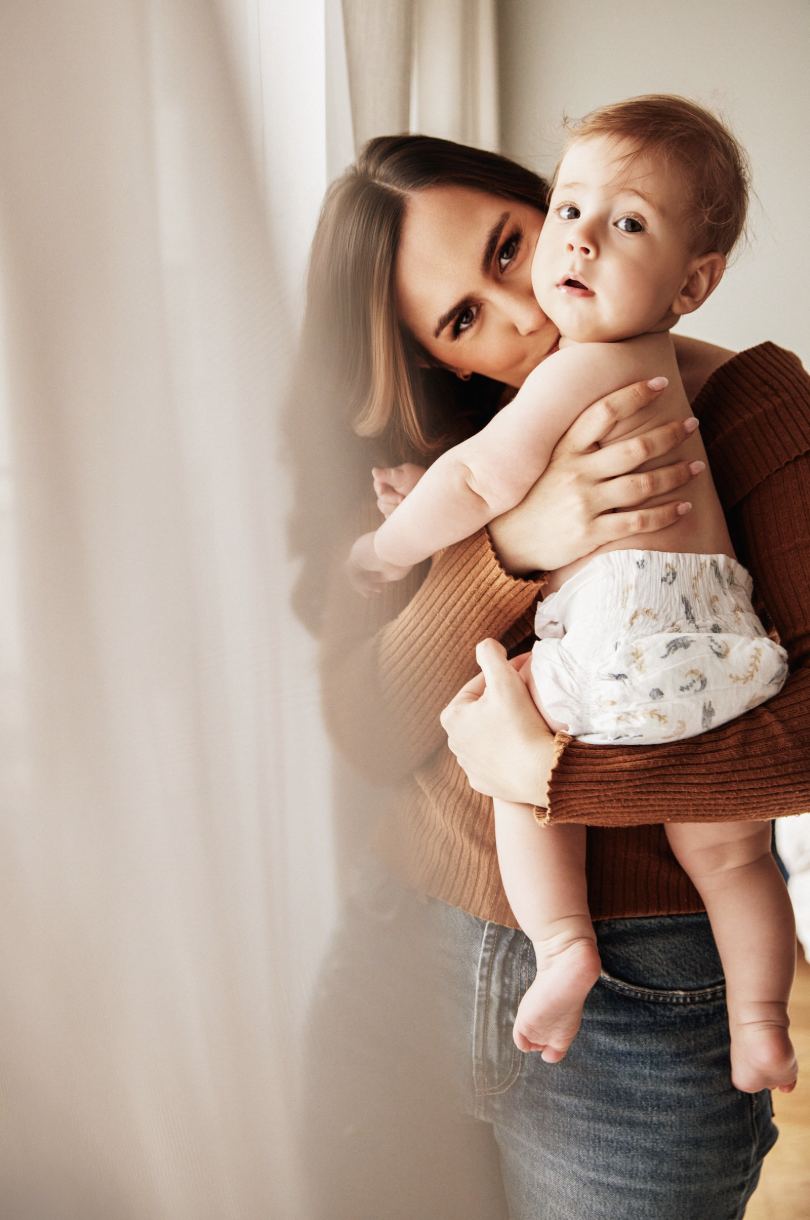
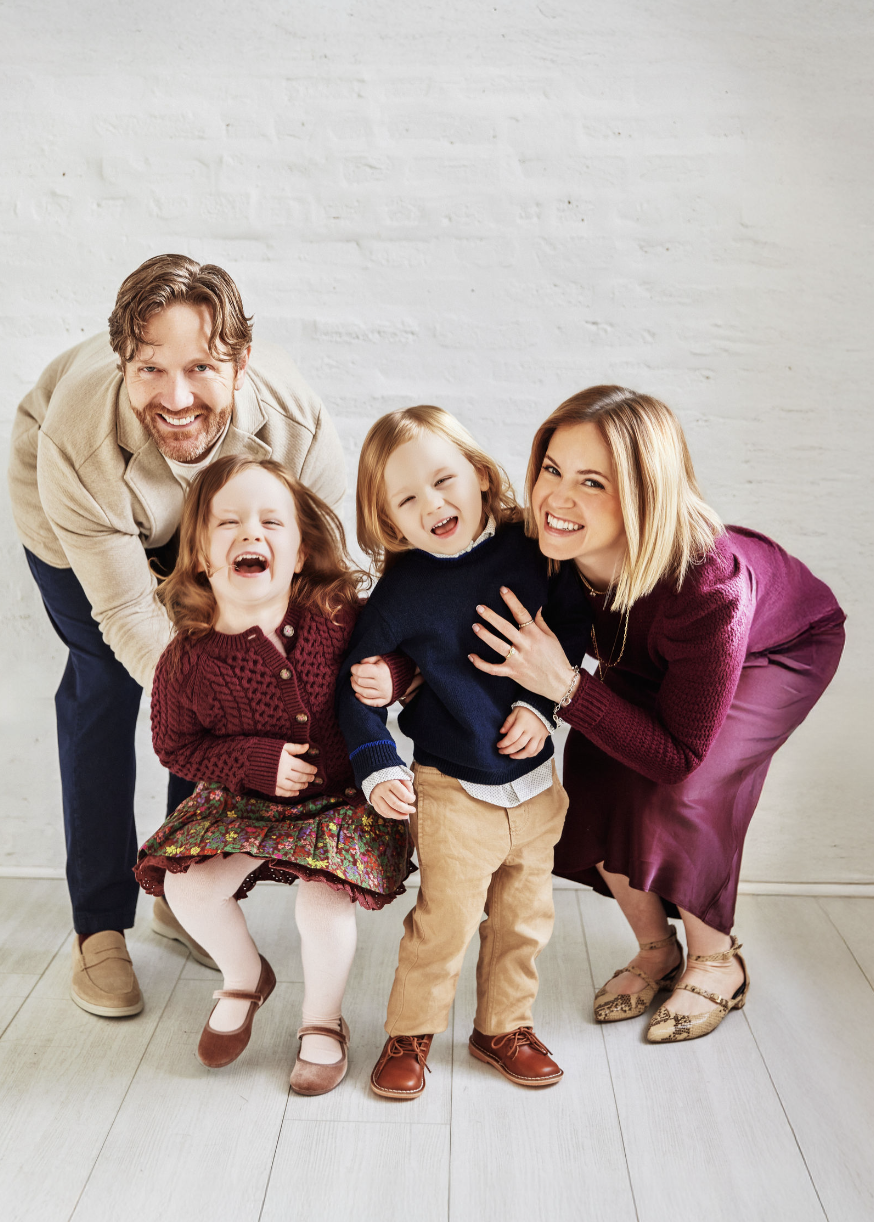
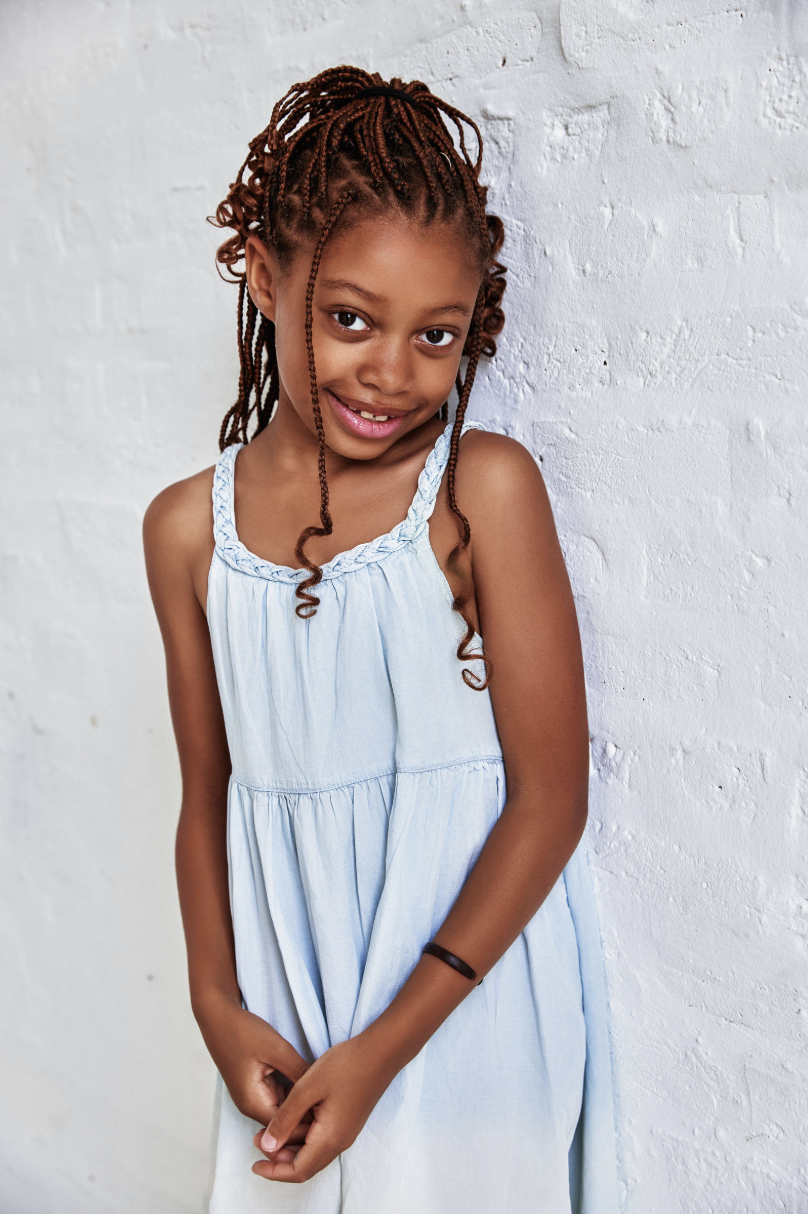
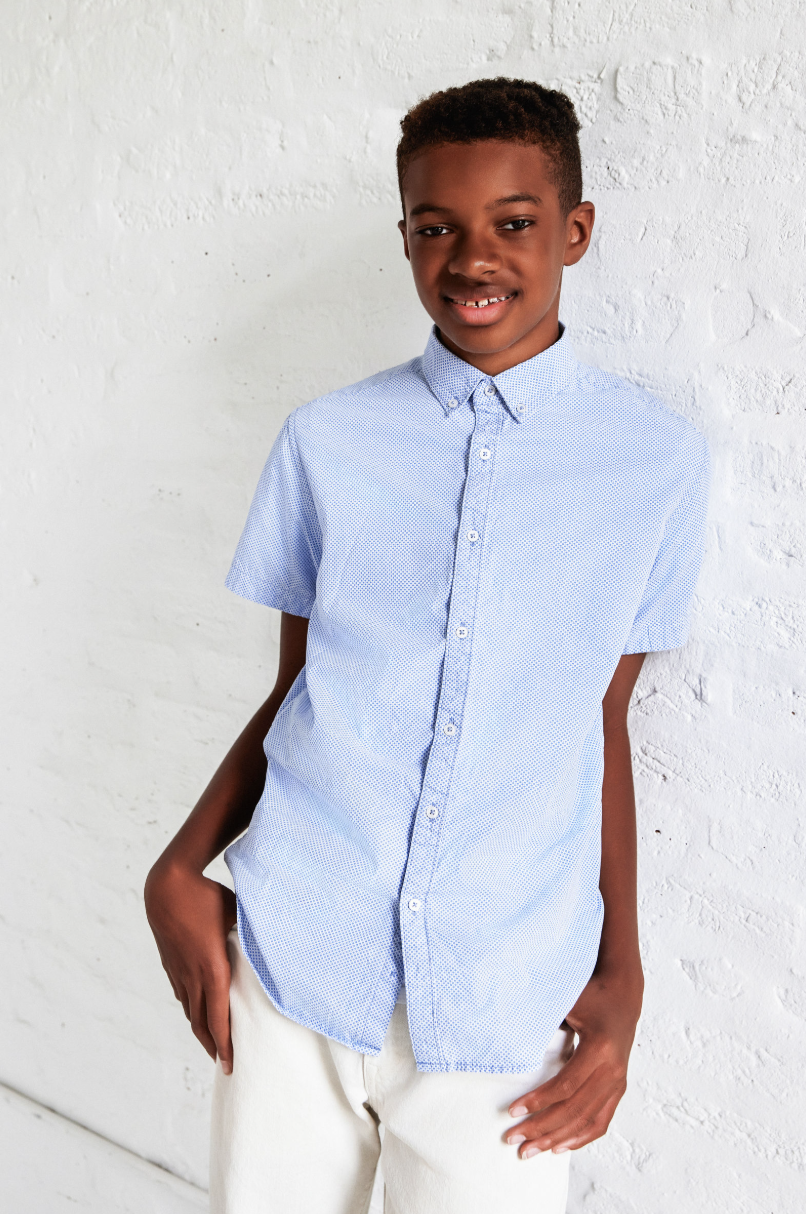
Your kids won't look like this next year. They just won't.
Every parent knows this intellectually. But most parents still delay family photography waiting for better timing, calmer schedules, cleaner houses, ideal conditions that rarely materialize.
Meanwhile, children are actively changing. Faces shifting. Voices deepening. Mannerisms evolving. The specific details of this age disappearing into the next developmental stage.
After 15+ years photographing families throughout Chicago and Naperville, I've learned this: parents who wait for perfect timing consistently express regret. Parents who document imperfect moments with children at current ages consistently express gratitude.

What Actually Changes in Children Year to Year
Child development happens faster than parents anticipate or remember accurately.
Physical changes happen measurably:
Three-year-olds become four-year-olds with noticeably different facial structure. Baby fat redistributes. Proportions shift. The face lengthens. Features sharpen.
Eight-year-olds grow several inches taller. Voices change pitch. Bodies lose remaining toddler characteristics. They look older in ways you can't quite pinpoint but definitely notice.
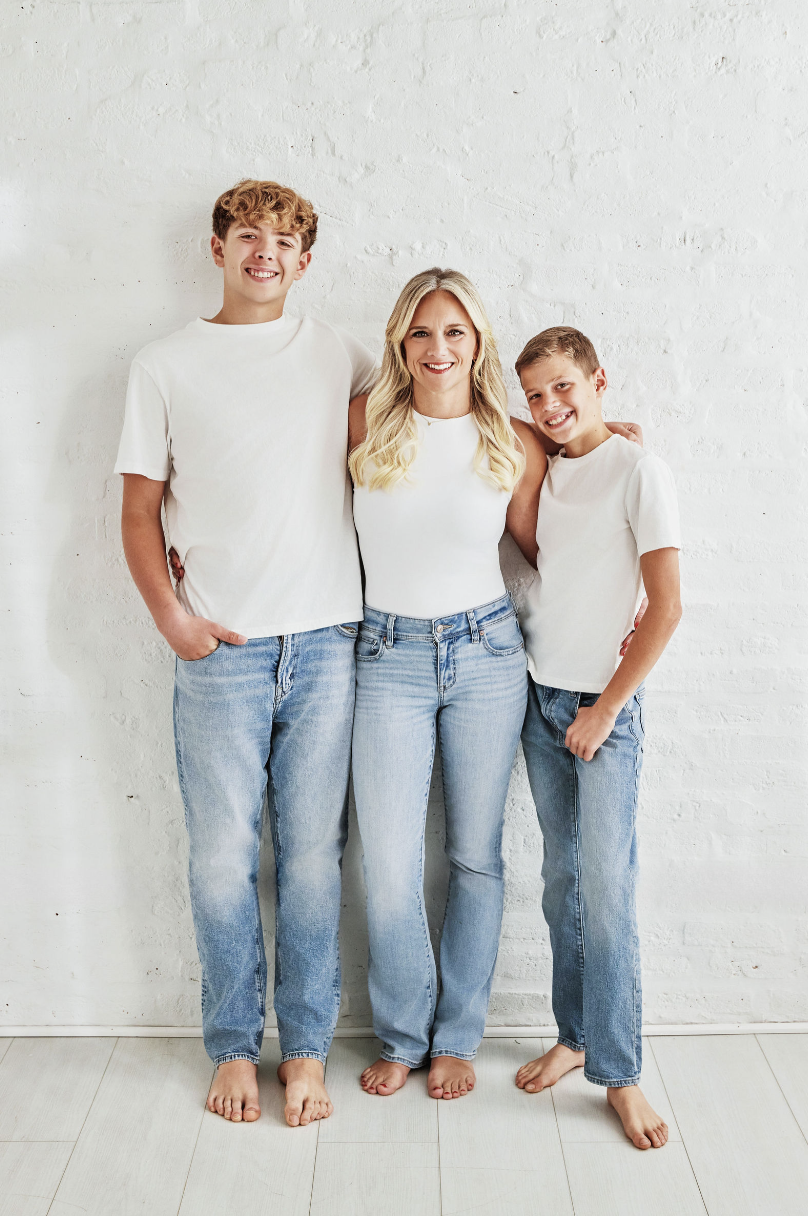
Teenagers transform into young adults. Childhood features disappear. Adult faces emerge. The exact moment of transition becomes impossible to identify retrospectively, but the before and after are dramatically different.
Behavioral details disappear:
How they currently fit against you when sitting together. Whether they still reach for your hand automatically. If they run to you when you arrive or have started staying put. The specific way they pronounce certain words. Whether they still ask you to tuck them in.
These details don't feel significant until they're gone. Then they become the specific memories you wish you could recover but can't quite grasp clearly.
Why Parents Delay Family Photography
The reasons for procrastination are consistent and understandable.
"We'll do it next season when schedules calm down."
Schedules rarely calm down. Life with children maintains consistent intensity across seasons. Waiting for calmer periods means indefinitely postponing documentation.
"The house needs to be cleaner for photos."
Professional family photography doesn't require perfect homes. We photograph in specific areas with good light, not entire houses. Toys on floors and dishes in sinks don't appear in final images.
"I want to lose weight first."
This delay tactic can postpone family photography for years. Meanwhile, children are growing and changing regardless of parental weight goals.
"We need everyone in good moods."
Children's moods shift multiple times during sessions anyway. Professional photographers work with whatever moods arrive and create good images regardless.
"We're waiting for a special occasion."
Ordinary ages and stages deserve documentation as much as special occasions. The everyday version of your family matters.
These reasons feel valid. But they're fundamentally about waiting for ideal conditions that rarely align simultaneously. While parents wait, children are actively changing.
What Family Photography Actually Documents
Professional family photography captures more than appearances. It documents relationships, developmental stages, and specific moments in family history.
Physical documentation of this exact age:
How tall children currently are relative to parents. Current facial features before next developmental shift. How they currently fit in parents' arms. Gap-toothed smiles before teeth situations change.
Relational documentation:
How children currently interact with parents. Whether they still want physical closeness or have started creating independence. Family dynamics at this particular configuration before personalities and relationships continue evolving.
Proof of presence:
Parents being visible in family documentation instead of perpetually behind cameras. Children having visual proof both parents existed and participated in their childhood, not just one parent while the other operated phones and cameras.
Temporal markers:
Visual evidence of what this specific year looked like. Not abstract memories that become unreliable over time, but concrete documentation of faces, sizes, relationships, and moments.
The Regret Pattern I See Consistently
Parents who wait for perfect timing follow predictable patterns.
They delay six months. Then another six months. Suddenly it's been two years. They look at photos from two years ago and realize how much their children have changed. They wish they'd documented the in-between stages they can now barely remember clearly.
The three-year-old who's now five looks completely different. Parents can't quite recall exactly what that child looked like at three and a half or four. The memories exist but lack clarity and specificity.
The eight-year-old who's now ten has transformed from child to pre-teen. Parents remember generally what younger ages looked like but can't access specific details about expressions, proportions, or mannerisms that no longer exist.
This regret is avoidable. But it requires accepting imperfect timing and prioritizing documentation over ideal conditions.
Why Imperfect Timing Creates Better Documentation
Family photography during imperfect timing captures reality more authentically than waiting for ideal conditions.
Real family dynamics show:
How your family actually functions. Not performing for photos but being yourselves. Children's actual personalities, not forced smiles and staged positioning.
Current life stage is visible:
The messy house context shows you're living with young children. The chaos is part of the story. The imperfection is honest documentation of this particular life phase.
Authentic moments emerge:
When conditions aren't perfect, authentic interaction happens more naturally. Children being themselves. Parents relaxing instead of trying to control everything. Real connection instead of performance.
Professional photographers work with whatever conditions exist and create meaningful documentation regardless. Perfect conditions aren't required for valuable family photography.
Common Questions About Family Photography Timing
"How often should we do family photos?"
Annual documentation captures how children change year to year. Some families photograph every six months during early childhood when changes happen rapidly. Others do annual sessions consistently.
"What age ranges change most dramatically?"
Birth through age five shows dramatic changes annually. Then ages six through twelve continue significant development. Teenage years transform children into young adults. All ages deserve documentation.
"Should we wait until everyone can cooperate?"
No. Professional photographers work with whatever cooperation levels exist. Toddler chaos, pre-teen attitudes, teenage reluctance—all of this is manageable during sessions and often creates the most authentic documentation.
"What if we don't like how we look right now?"
Your children will look back at these photos and see their parents during their childhood. They won't critique your weight or appearance. They'll treasure proof you existed and participated in their lives at these ages.
"Is it worth investing in family photography regularly?"
Parents consistently report that family photos become among their most valued possessions. Documentation of children at various ages becomes irreplaceable over time. The investment serves long-term family memory preservation.
What Changes After Parents Stop Waiting
Families who stop delaying for perfect conditions and schedule sessions during regular life report consistent outcomes.
Relief that it's finally done. The task that's been on mental to-do lists for months or years gets completed. The persistent guilt about not documenting children's current ages disappears.
Surprise at quality despite imperfect conditions. Parents expect chaos to ruin photos. Professional guidance manages chaos and creates beautiful documentation anyway. Concerns about house cleanliness or everyone's moods prove unfounded.
Gratitude for documentation of this stage. Even weeks after sessions, parents express appreciation for capturing children at current ages. This gratitude intensifies over time as children continue changing.
Reduced regret. Instead of looking at old photos wishing they'd documented missing years, families have consistent documentation across childhood stages. The gaps don't exist.
Why This Age Specifically Matters
Whatever age your children are right now deserves documentation specifically because it won't last.
Your three-year-old will be four. Your eight-year-old will be nine. Your teenager will be an adult. These transitions happen whether you're ready or not, whether you've documented them or not.
Professional family photography doesn't stop time. But it preserves visual evidence of what this time looked like while it existed.
Years from now, you won't remember exactly how small their hands were. How their voices sounded. The specific way they looked at you. How they fit against you. The particular gap between their teeth. Whether they still ran to you or had started becoming independent.
You'll wish you could remember these details clearly. Photos preserve what memory can't maintain accurately.
The Cost of Waiting
Every year parents wait for perfect timing is another year of childhood undocumented.
Children grow whether family photography happens or not. The three-year-old becomes four regardless. The gap-toothed smile gets replaced by permanent teeth whether documented or not. The teenager becomes an adult whether you captured the transition or missed it.
The cost of waiting isn't monetary. It's documentary. Missing visual evidence of ages and stages that become difficult to recall accurately over time.
Professional family photography investments serve long-term memory preservation. The cost of sessions becomes insignificant compared to the value of documentation over decades.
Family Photography in Chicago and Naperville
I photograph family sessions at Studio 25 Naperville and on location throughout Chicago with one consistent principle: document what exists now before it becomes what existed then.
Not waiting for perfect conditions. Not requiring ideal timing. Just capturing your family at this age, this stage, this configuration before everything shifts into the next version.
Your kids won't look like this next year. You can't stop that progression. But you can document what this year looked like while it's happening.
If you've been waiting for better timing, calmer schedules, cleaner houses, or ideal conditions, stop waiting. Those conditions won't arrive. Your children will keep growing anyway.
Contact Emily Cummings Photography for family sessions in Naperville and Chicago.
Emily Cummings Photography | Family Photography | Studio 25 Naperville | Serving Chicago & Naperville